無題 2024 No.6
2024年2月
北軽井沢 作品 No.539
紙にコラージュ
57.5×39.0 cm
Untitled 2024 No.6
February 2024
Kitakaruizawa Works No.539
Collage on paper
22.6×15.4 in.
Sans Titre 2024 N°6
février 2024
Kitakaruizawa Œuvres N°539
Collage sur papier
57.5×39.0 cm

無題 2024 No.6
2024年2月
北軽井沢 作品 No.539
紙にコラージュ
57.5×39.0 cm
Untitled 2024 No.6
February 2024
Kitakaruizawa Works No.539
Collage on paper
22.6×15.4 in.
Sans Titre 2024 N°6
février 2024
Kitakaruizawa Œuvres N°539
Collage sur papier
57.5×39.0 cm
無題 2024 No.5
2024年2月
北軽井沢 作品 No.538
紙にコラージュ
57.5×39.0 cm
Untitled 2024 No.5
February 2024
Kitakaruizawa Works No.538
Collage on paper
22.6×15.4 in.
Sans Titre 2024 N°5
février 2024
Kitakaruizawa Œuvres N°538
Collage sur papier
57.5×39.0 cm


皆様、こんにちは。
大雪に見舞われた僕の住む森の中は、今朝はマイナス12℃ときりっと冷え込んだ美しい朝を迎えましたが、またまた、さまよっています、さまよっています、あり得ないことに森の中で船が、もうほとんど沈みかけようとしています(笑)。
結局、昨年9月以来のニコライ・ゴーゴリに対する興味や関心を、僕なりに追求する過程で読んだ本は、
「外套」(児島宏子訳、未知谷)
「外套・鼻」(平井肇訳、岩波文庫)
「ニコライ・ゴーゴリ」(ウラジーミル・ナボコフ、青山太郎訳、平凡社ライブラリー)
「死せる魂」(平井肇・横田瑞穂訳、岩波文庫上中下巻)
「検察官」(米川正夫訳、岩波文庫)
「狂人日記」(平井肇訳、岩波文庫)
と、ここまできてなにかが物足りなくなり、このなにかがうまく言葉では表現できず、まあ、そのような時に誰でも思いつきそうなことなのですけれども、この際、ゴーゴリの全集を買ってもう少し幅広く読んでみようと思い、いったい去年からずっと計画していた「ガラン版千一夜物語」(岩波書店) は、いつから読み始めるんだとかブツブツ言いながら、生まれて初めての慣れない Yahoo! JAPAN のオークションに少し緊張して入札してみたら、僕しか入札者がいなくて、極めて妥当かつ適正な価格で落札 (やったぞ!) できて、河出書房新社の「ゴーゴリ全集」全7巻が、自宅にどすんと届いたのでした。
以下、この全集で読んだ作品は、
「昔かたぎの地主たち」(全集第2巻)
「イワン・イワーノヴィチとイワン・ニキーフォロヴィチが喧嘩をした話」(全集第2巻) というものすごく長いタイトル
「鼻」(全集第3巻)
「肖像画」(全集第3巻)
「賭博師」(全集第4巻)
「評論」(全集第6巻)の中からいくつか
「書簡」(全集第7巻)の中からいくつか
やっぱり、ゴーゴリは画家だな、その魚眼レンズのような眼が完全に風景画家だな、ゴーゴリは余程画家になりたかったのだろうな、でも小説家になることを選択した。
ともかく伝わってくる彼の桁外れの情熱は、芸術家であれば心が満たされるなどという世間並みの一般的な欲求などでは決してなく、彼にとっては、芸術家以外の人生などそもそもの最初からこの宇宙の中に全く存在さえもしなかった、晩年は宗教に傾倒しましたけれども。
そこで、なんと言ってもやっぱり代表作なのに、なかなか入手しづらい (出版社の方方、なんで?)「死せる魂」について少しご紹介したくなって、特にその冒頭ですね、文字通り物語のこの導入部、そうです、「県庁所在地のNNという市のある旅館の門へ、ばねつきのかなり奇麗な小型の軽四輪馬車が乗りこんで来た。」のところ、これはもう練りに練り上げた上で完全に決めに入ってきたなと思って、うまく言えないけれども、もうほとんどここで勝負あったなと。
それから、何度も何度も繰り返される驚異的な自然描写 (なにしろその眼が画家だから)、風景を書かせたら、この人の右に出る者はまずいない、もう楽しんですらすらと書いている感じ、これに対して、人物の描写は非常に苦心、呻吟している感じがする、書きながらなにか自己を鍛練している感じさえする。
それから脱線になるけれども、少し気になったのは、このゴーゴリという作家は女性は書いてこない、もちろん女性は登場してきますけれども、性としての女の部分はほとんど出てこないとでも言えばよいのでしょうか。
しかしそれにしましても、僕の仕事柄、風景を書けるってすごいなあ〜、通常風景って描くものでしょう、なんと言ってもまずは観るものだから、違うのかな?
このゴーゴリ (1809-1852) の書いた風景と、印象派のオールスターの面々、例えばピサロ (1830-1903) でも、シスレー (1839ー1899) でもいいけれども、彼らの描いた風景を比べてみると面白過ぎますが、ローマを愛したゴーゴリは、偉大なイタリアの画家たちと比べろと怒り出すだろうな。
その一例を挙げろと言われれば、1842年の第一部完成後、1852年に亡くなるまでの生涯の最後の10年間にわたり、書き続けてきた執念の塊のような原稿を自ら焼き捨ててしまい、未完のため世評はあまり芳しくない第二部だけれども、この中の「春の輪踊り」の場面は美しい、あまりにも美しい、これは昔昔僕らが幼少の頃、女の子となかば無理やり手をつないでやらされた「はないちもんめ」のようなものなのかと・・・。
ここで、「死せる魂」(岩波文庫上巻) の巻末に、訳者平井肇氏のわかりやすい素晴らしい「解題」があるのですが、この中で氏は、「彼の心中では、この作が三部作の形に成長し、完成の暁には『死せる魂』は三部分に分れてダンテの『神曲』の三部分に該当した形を取るはずであった。すなわち (中略)『死せる魂』の第一部は『神曲』の『地獄篇』に相当し、(中略) 第二部は『煉獄篇』に当り、(中略) 第三部は『天国篇』に相当するはずであった。」(p.254) と書いています。
う〜ん、つまりは、解釈的には、第一部を土台としてその素材を使って、宗教的な贖罪の方へもっていきたかったのだけれども、もっていけなかった、チチコフとの共有点を見出せ得なかったからという大きな流れでよいのでしょうか?
上記の「ニコライ・ゴーゴリ」の中でナボコフは、「『死せる魂』は完成の暁、三つの表象の結合から成るはずであった。すなわち、罪と罰と贖いである。この目的を達することが絶対に不可能であったゆえんは、ゴーゴリの特異な天才がひとたび勝手に動きだしたらどんな紋切型の図式も破壊せずにはおかぬ態のものであった」(p.205) とあります。
う〜ん、つまりは、ゴーゴリは非常に感覚的な方で、やっぱり小説家というよりは画家で (もちろん言うまでもなく偉大な小説家です、一応念のため)、緻密に計算尽くで物事を進めてこないとでも言いますか、研ぎ澄まされた直感を軸に感覚的に物事の真相を瞬時に感じとるとでも言いますか、自らが創造したチチコフに、後年自らが苦しんでしまったのだけれども、それがなんなの?とでもいうような、どうなんだろう、一人の孤高の芸術家として第一部を書いた後悔はなかった、チチコフに魂の救済なんてできない、でもそれはそれで仕方がないだろう、人生は思考も思想も移り変わっていくものだから、わかりません、それはあくまでも僕の考えですから。
苦しんだであろうな、この人は。
苦しんだなんていう生易しいものではないかもしれないな、この人は。
それが晩年、宗教的な方面に傾倒していったことにも関係しているのかもしれない。
自分の中で、第二部が完結し得ないなと予感した時に、それではせめて自分という人間の魂の救済、贖罪、自分という人間の『煉獄篇』は作りたいなと思ったのかもしれない、わかりません、それはあくまでも僕の感じたことですから。
でもそのことが、1852年2月11日、最期に第二部・第三部を暖炉の中に置き、蝋燭で火をつけた。
跪いて、「やめてくれ」と頼む召使の少年に、「おまえの知ったことではない。 ーとゴーゴリ は言ったー それよりお祈りをしろ」(「ニコライ・ゴーゴリ 」p.241) につながるのかもしれません。
その魂が非常に剛直、真っ直ぐ、正直、清廉潔白、決して金のために文章を書かない、仕事を金に引き換えない。
実際問題として、最後の10年間に「友人との書簡抜萃」の刊行はあるにせよ、いったいどれほどの収入があったのであろうか?
そういう人が詐欺師を書くということ、そして詐欺師を書いたがゆえに、今度は自分が苦しむことになるということ、ここのところ。
世の中の普通の人々であれば、第二部を金に換えてしまうでしょう、家族のためだとかなんとか言って、でもそれはしない。
それであれば、せめて原稿を遺しておくでしょう、出版するかしないかは後世の人の判断に委ねますとかなんとか言って。
でもそうじゃない、断じてそうじゃない、焼いてしまう、この世から完全に消し去ってしまう、すべてはここのところです。
これは、おそらく悔恨ではないかと思う、慚愧の念、悔い、過ちですね、自らの前半生に対するところの。
なんなんだろう、この人にはなにか修道士のような厳しさ、潔癖さがある。
なにかこう、アッシジの聖フランチェスコに似通った気質を感じる。
つまり、僕の言いたいことは、原稿を焼き捨てたというその行為自体の中に、宗教的な要素がなにかしら含まれているのではないかということです。
それともそれは単に文学的な意味合いだけから行ったのであろうか?
ゴーゴリ は、人生の最期に笑えたのであろうか、魂の救いはもたらされたのであろうか、日常の何気ない出来事の中にたとえ少しでも安らぎはあったのであろうかー
「おまえの知ったことではない。それよりお祈りをしろ」!
それから話は全然変わって前に戻りますけれども、第一部第三章の馬車が泥濘にはまって道に迷い、偶然泊めてもらった先が翌朝起きてみれば、なんとコローボチカ夫人の家だったという、この流れるようななんともユーモラスな場面転換・・・、ここも実に面白い!
すべてにおいて非常に球体、転がり出てくる球体、コロコロと・・・、稀代の詐欺師チチコフ自身がまず球体。
でもここでと言うのは、もう昨年末のことになるのですが、ちょっと疲れて休憩!
そして、休憩している間に、話はまったく思いがけない方向に、これもやっぱりコロコロと・・・、「和田丸」は相も変わらずさまよい続けていくのでした。
2024年2月7日初稿掲載
2024年2月8日加筆修正
和田 健
参考までに、気になりましたので、少し調べてみましたが、ゴーゴリが原稿を焼き捨てた1852年2月11日は水曜日で、この年は閏年で2月29日があったため、その22日後の3月4日木曜日にゴーゴリ は亡くなっています。
すでに「自らが企てたハンガー・ストライキ」(「ニコライ・ゴーゴリ 」p.12)、「死に先立つ数カ月間のすごぶる徹底した断食」(同、p.14) とありますように、肉体的消耗が激しく、一概に彼の原稿焼却と死とを結びつけるのは早計であるとは思いますが、魂が抜けてしまったような虚脱感が、おそらくあったのではないでしょうか?
うん?もしかして安堵感のようなものがあったのであろうか?
長年にわたる肩の荷をおろしたような、これでいつでも死ねるぞ、その準備はできたぞとでもいうような。
もしそうであれば、上述しました焼却についての二点の考察に加えて、これはゴーゴリ の焼却行為の三点目の理由になるように思います。
すなわち、
①宗教的ななんらかの観念から焼却した。
②あくまでも文学上の意味合いからのみ焼却した。
③死期を悟った時点で、そこから逆算して焼却した。
それからもう一つ、夕方愛犬の散歩をしている時に、突然思い出したのですが、画家のジョルジュ・ルオーが自作品をやはり焼却処分しています。
我が国では書家の井上有一氏が、たしか同様のことをしています。
三者に共通する気質とはなんだろう?
潔癖さ、完璧主義、宗教性・・・。
2024年2月10日
和田 健
無題 2024 No.4
2024年1月
北軽井沢 作品 No.537
紙にコラージュ
57.0×39.0 cm
Untitled 2024 No.4
January 2024
Kitakaruizawa Works No.537
Collage on paper
22.4×15.4 in.
Sans Titre 2024 N°4
janvier 2024
Kitakaruizawa Œuvres N°537
Collage sur papier
57.0×39.0 cm


皆様、こんにちは。
この度、イタリアの Effetto Arte Foundation が主催する「第2回インターナショナル・プライズ・ボッティチェッリ」を受賞しました。
僕の作品が、二人のキュレーター Salvatore Russo と Francesco Saverio Russo によって、この賞に選出されました。
家族の在宅介護をしていますので、フィレンツェの由緒ある宮殿パラッツオ・ボルゲーゼ (Borghese Palace) で、2024年1月20日に開催された受賞セレモニーには行けませんでしたが、そのかわり?に2016年11月にボローニャで行われた展覧会の際に、フィレンツェまで足を伸ばして、この中世の偉大な街を初めて訪れた時のことを、大変懐かしく思い出しました。
サンタ・マリア・ノヴェッラ駅に朝着いた後、まずは予約していた安宿をうろうろ探して重い荷物をおろし、「よ〜し、今日はたっぷり観てやるぞ!」とばかりに、まずはサンタ・マリア・デル・フィオーレ大聖堂を訪れ強い衝撃を受け、ドゥオーモ内のドメニコ・ディ・ミケリーノの『ダンテ「神曲」の詩人』に感銘し、フィレンツェに来て「神曲」もまだ読んでいないのでは、さすがにこれはまずいなと思い、次いで、ウフィツィ美術館でイタリア・ルネサンス絵画を浴びるほど観て、ボッティチェッリの「プリマヴェーラ」にまたもや強い衝撃を受け、結局、午後中かけて全作品を観て、最後はフラフラ?になり、アルノ川に架かるヴェッキオ橋にたどり着いた頃には、もう日がすっかり暮れてと・・・、要はありきたりのコースを一人で歩きながら、晩秋のフィレンツェを巡ったのでした。
帰国して早速、ダンテのまずは「新生」を読み始め、続いて、平川祐󠄀弘氏訳の河出書房新社版で、「神曲」を読んだのでした。
え〜と、確か先に「新生」を読んでおかないと、「神曲」を読んでも、ベアトリーチェが理解できないと思ったのでした。
なんで、こんな細かいことをいろいろ覚えているかと言うと、これはかなりわかりやすい理由で、日記をつけているからです。
その日記も今年で26年目になりました。
ちなみに、毎日つけている簡単な家計簿も今年で26年目になりました。
さらには、毎朝続けているお経も今年で25年目になりました。
そして、その分、僕は確実に年を取りました(笑)。
しかし、なんだかんだと、これまでいつもイタリアとは縁があるな、とても不思議ですね、それではまた、チャオ!
2024年1月28日
和田 健
Dear friends,
It is my pleasure to inform you that I was awarded the International Prize Botticelli by the Effetto Arte Foundation in Italy.
My artwork was curated by Salvatore Russo & Francesco Saverio Russo for this award.
The awards ceremony, which I was unfortunately unable to attend, was held on January 20, 2024 at the beautiful and grand Borghese Palace in Florence.
Warmest regards,
Ken WADA
Chers mes amis,
J’ai le plaisir de vous annoncer que j’ai reçu le prix International Prize Botticelli de la Effetto Arte Fondatzione en Italie.
La cérémonie de remise des prix, à laquelle je n’ai malheureusement pas pu assister, a eu lieu le 20 janvier 2024 au magnifique et majestueux Palazzo Borghese à Florence.
Bien amicalement,
Ken WADA
無題 2024 No.3
2024年1月
北軽井沢 作品 No.536
紙にコラージュ
57.0×39.0 cm
Untitled 2024 No.3
January 2024
Kitakaruizawa Works No.536
Collage on paper
22.4×15.4 in.
Sans Titre 2024 N°3
janvier 2024
Kitakaruizawa Œuvres N°536
Collage sur papier
57.0×39.0 cm

皆様、こんにちは。
この度、現代美術キュレーターマガジン (Contemporary Art Curator Magazine) の編集者マルタ・プイグさんが、僕のシリーズ作品「Untitled 2022」の8作品に、Professional Art Review を書いてくださいましたので、以下にご紹介させていたただきます。
2024年1月18日
和田 健
Dear friends,
MARTA PUIG, editor of Contemporary Art Curator Magazine, wrote a Professional Art Review for eight works in my series “Untitled 2022”, which I would like to introduce below.
Warmest regards,
Ken WADA
Chers mes amis,
MARTA PUIG, rédactrice en chef du magazine Contemporary Art Curator, a rédigé une revue d’art professionnelle sur huit œuvres de ma série “Untitled 2022”, que je voudrais présenter ci-dessous.
Bien amicalement,
Ken WADA

Ken WADA, Untitled 2022 No.9, 2022
Acrylic on canvas, 29.0×24.0 in. (72.7×60.6 cm)
Ken WADA
Ken Wada, an artist whose work is evocative of the lyrical abstraction movement, channels a sense of emotive spontaneity through his bold and colorful compositions. His paintings, characterized by their rich, vibrant blocks of color, create a visual language that is both simple in form and profound in its potential to evoke emotional resonance.
Wada’s artistic style is distinctive for its utilization of geometric abstraction. Each canvas is a mosaic of color, with squares and rectangles of varying sizes and hues juxtaposed against one another. The interplay of shapes and the contrasts between them—be it in color, scale, or texture—create a rhythmic harmony that is reminiscent of musical compositions. The edges of these shapes, sometimes crisp and sometimes blurred, suggest an organic process of creation, where control and chance coexist.
The use of color in Wada’s work is both intentional and intuitive. His palette ranges from serene blues and greens to exuberant yellows and reds, imparting each painting with its own mood and character. The application of paint varies from thick, impasto-like textures to thin, almost translucent layers, adding depth and dimension to the flat geometric forms. This tactility invites the viewer to not only see but also feel the paintings, engaging multiple senses in the experience of the artwork.
Wada’s compositions often forgo the traditional central focal point, instead allowing the viewer’s eye to wander across the canvas in a contemplative journey. This decentralized approach to composition speaks to a modern sensibility, where the notion of multiplicity and the breaking down of hierarchical structures are celebrated. In this sense, Wada’s work reflects a contemporary world that is interconnected and diverse, mirroring the complexity of its visual stimuli.
Wada stands out for his commitment to abstraction and the emotive power of color. While many artists of his generation have embraced digital mediums and conceptual art forms, Wada’s paintings hark back to the physicality of the brush and canvas. His work offers a counter-narrative to the sometimes sterile and impersonal nature of much contemporary art, providing a bridge between the viewer and the visceral act of painting.
Wada’s art does not shout for attention with gimmicks or shock value. Instead, it exudes a quiet confidence, secure in the knowledge that there is strength in subtlety and power in simplicity. His canvases are spaces where emotion and intellect coalesce, prompting introspection and meditation. They act as a respite from the frenetic pace of modern life, inviting the viewer to pause and reflect.
Within the contemporary art scene, Wada’s work is both a nod to the past and a statement of the present. His paintings resonate with the influence of mid-20th-century abstractionists who pushed the boundaries of what art could be. Yet, they are unmistakably current, speaking a visual language that is fluent in the aesthetics of today’s globalized culture.
Wada’s artistry lies in his ability to transcend the canvas and engage with the viewer on a deeply personal level. His paintings are not just to be observed; they are to be experienced. Each piece is a microcosm of emotion and thought, a segment of Wada’s worldview rendered in color and form. This personal imprint allows for a unique connection between the artwork and the audience, making each interaction with his pieces a distinct encounter.
Wada’s work is a testament to the enduring relevance of abstract painting. His canvases challenge the viewer to find meaning beyond the representational, to connect with art in a way that is both primal and sophisticated. His confident use of color and form is a powerful reminder that art need not be laden with overt messages to be profound or to communicate effectively.
In terms of placement within the contemporary art scene, Wada’s work serves as a bridge between the abstract expressionists of the post-war era and the current generation of artists exploring minimalism and post-painterly abstraction. His canvases align with the works of artists who are reinventing and reinvigorating the conversation around abstraction, proving that this genre is far from static or historical; it is a living, breathing mode of expression that continues to evolve. Wada’s contribution to contemporary art is also significant in the context of the global art market, where there is a renewed interest in painters who can blend classical techniques with a modern aesthetic. His work is accessible yet layered, providing both an immediate visual impact and deeper levels of engagement for those who seek it. Collectors are drawn to Ken Wada’s paintings for their vibrant interplay of color and form which strikes a balance between serene contemplation and dynamic expression. His geometric abstractions, reminiscent of the lyrical abstraction movement, offer a timeless appeal, resonating with the primal power of color while engaging with contemporary sensibilities. Wada’s works are versatile, fitting into various settings and collections due to their universal language of emotion and beauty. His canvases are not merely decorative but are profound, thought-provoking pieces that hold a magnetic presence, promising to invigorate and harmonize with the spaces they inhabit. Each piece is a testament to Wada’s masterful ability to communicate through abstraction, making them coveted assets for collectors.
By Marta Puig
Editor Contemporary Art Curator Magazine
無題 2024 No.2
2024年1月
北軽井沢 作品 No.535
紙にコラージュ
57.5×39.0 cm
Untitled 2024 No.2
January 2024
Kitakaruizawa Works No.535
Collage on paper
22.6×15.4 in.
Sans Titre 2024 N°2
janvier 2024
Kitakaruizawa Œuvres N°535
Collage sur papier
57.5×39.0 cm
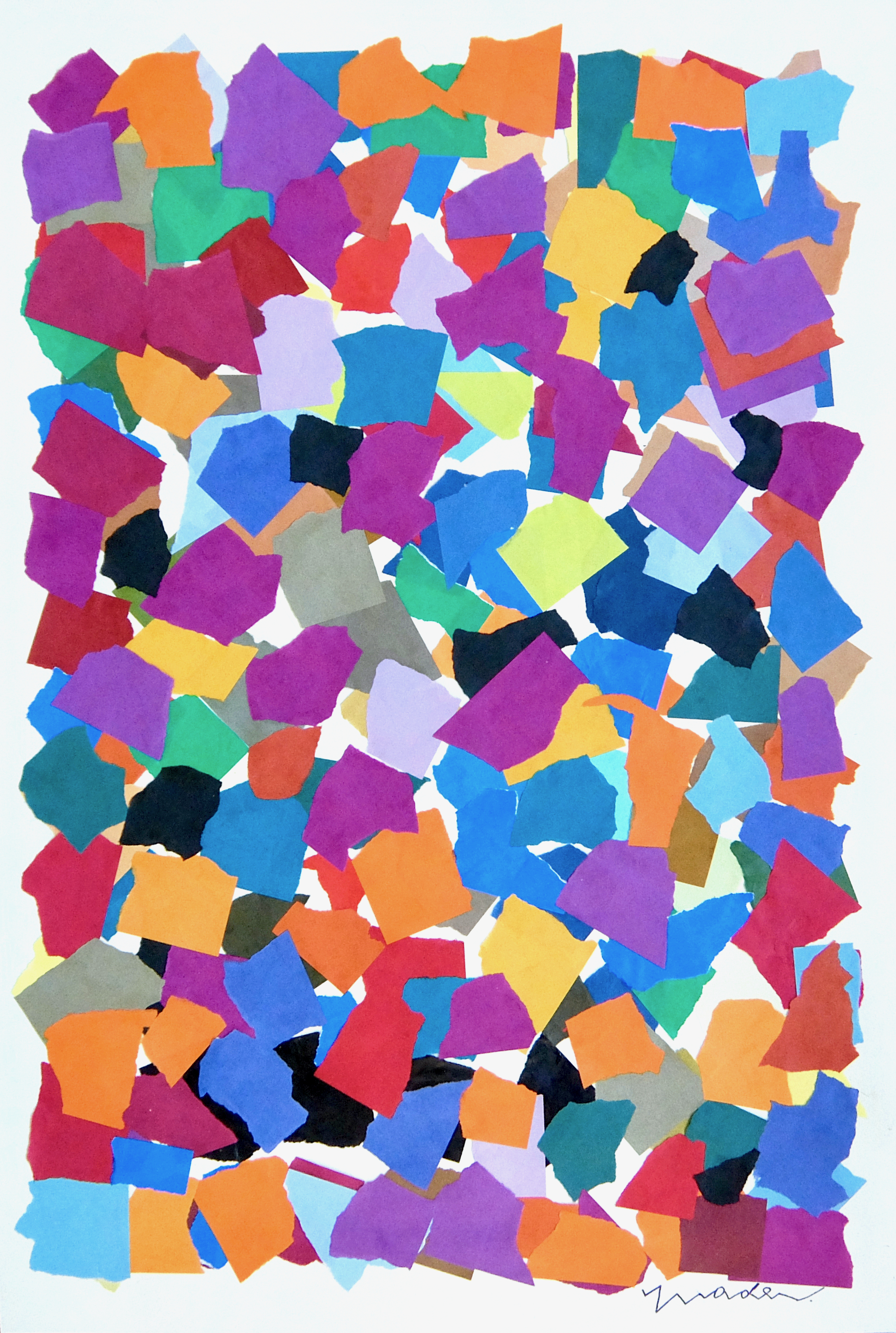
無題 2024 No.1
2024年1月
北軽井沢 作品 No.534
紙にコラージュ
57.5×39.0 cm
Untitled 2024 No.1
January 2024
Kitakaruizawa Works No.534
Collage on paper
22.6×15.4 in.
Sans Titre 2024 N°1
janvier 2024
Kitakaruizawa Œuvres N°534
Collage sur papier
57.5×39.0 cm

無題 2023 No.35
2023年12月
北軽井沢 作品 No.533
紙にコラージュ
54.0×38.0 cm
Untitled 2023 No.35
December 2023
Kitakaruizawa Works No.533
Collage on paper
21.3×15.0 in.
Sans Titre 2023 N°35
décembre 2023
Kitakaruizawa Œuvres N°533
Collage sur papier
54.0×38.0 cm
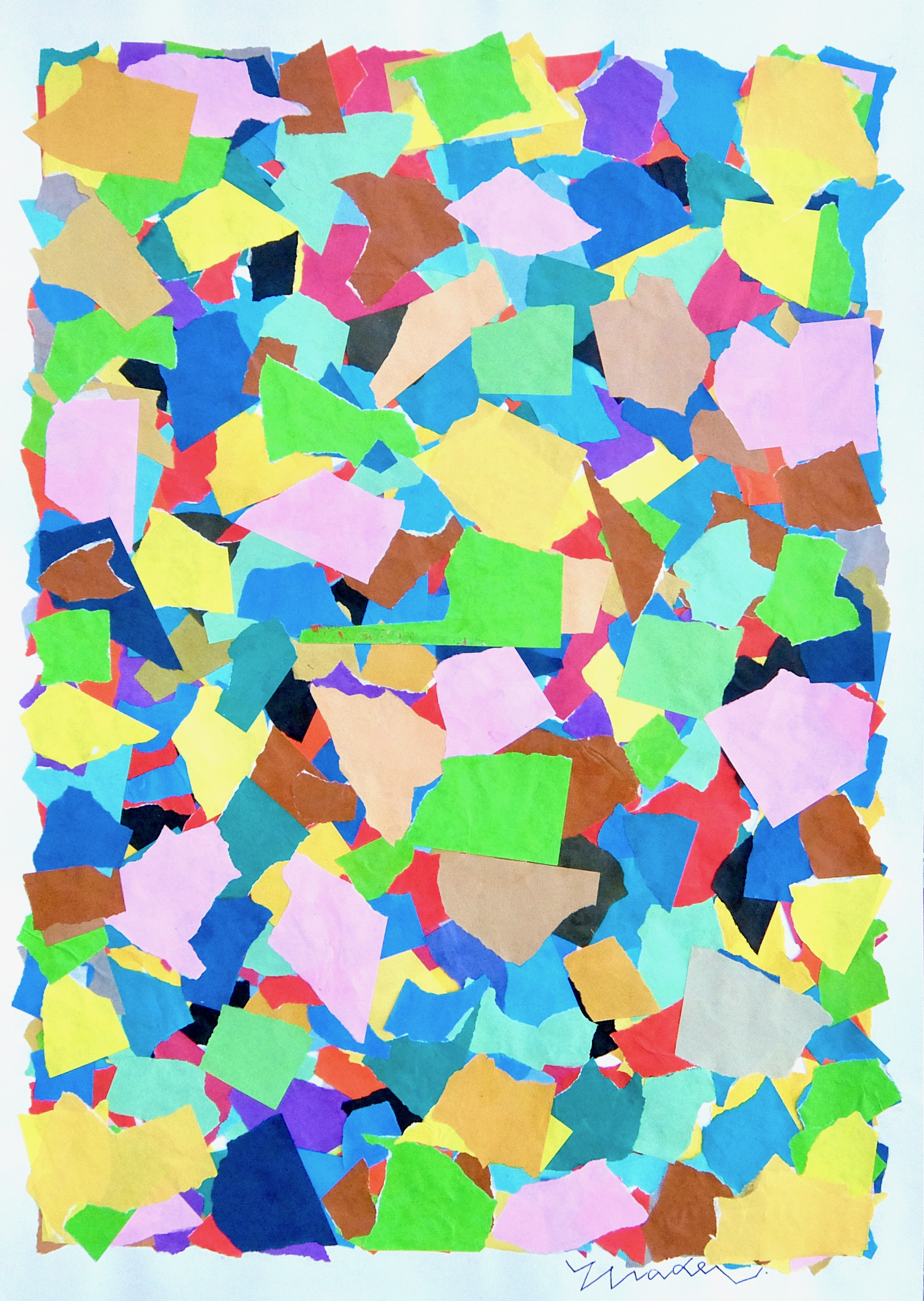
 La Galerie de Ken Wada 2